One of the benefits of being a CIPR member is the variety of learning opportunities available through its Continuing Professional Development programme. Over the last year, I've accumulated CPD points in all sorts of ways, from networking events and webinars to reading research papers and reports that challenge my thinking.
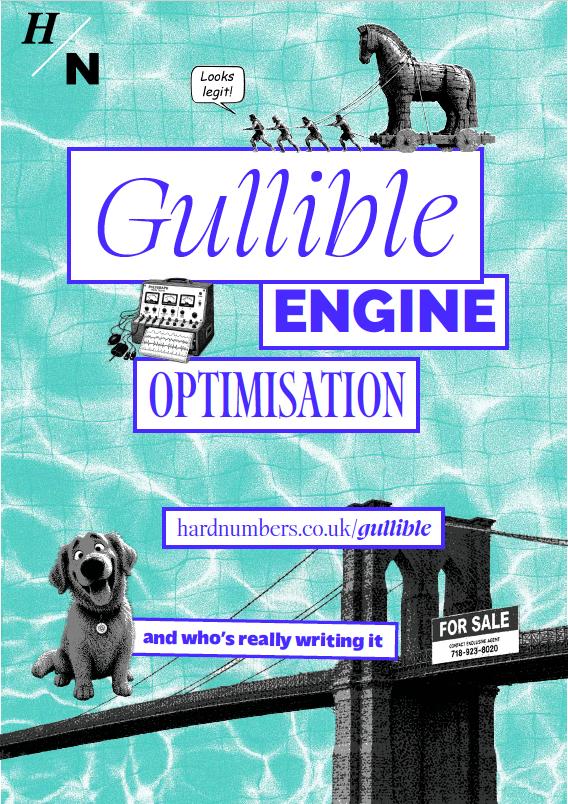
One such paper was Gullible Search Optimisation (GSO): The Attack of the AI Search Optimisers by agency, Hard Numbers.
While the title initially raised a smile, the content quickly highlighted a serious issue: what happens when artificial intelligence becomes increasingly responsible for finding, filtering and presenting information on our behalf?
Most of us have become reasonably adept at evaluating traditional search engine results. We understand that rankings can be influenced by search engine optimisation techniques, advertising and content strategies. We know to apply a degree of scepticism and to cross-reference information where necessary. AI-powered search tools however create a different challenge.
Rather than presenting a list of sources for us to evaluate, they increasingly synthesise information and present answers directly. The convenience is undeniable, but it also introduces new risks. If information can be manipulated in ways that influence how AI systems interpret and surface content, then the confidence users place in those answers may not always be justified.
The issue extends far beyond technology; it is fundamentally about trust.
As leaders, communicators and advisers, we are increasingly operating in environments where decisions are informed by information gathered through AI tools. Whether researching a market, preparing a briefing, analysing stakeholder sentiment or simply answering a question, there is a growing temptation to accept AI-generated outputs at face value.
The paper serves as a useful reminder that technology has not removed the need for critical thinking; if anything, it has increased it. The most effective professionals are those who can assess its credibility, understand its limitations and ask the questions that others overlook.
Much of my role involves helping organisations navigate complexity, challenge assumptions and make better decisions. The same principles apply whether reviewing a business case, assessing organisational risk or evaluating information generated by an AI system.
Good judgement remains a human skill along with curiosity, critical thinking and a willingness to verify before acting. What role does critical thinking play in your use of AI tools? Have you changed the way you evaluate information since AI became part of your daily workflow?